|
Me Sahyadri |
|
January 2018 |
|
Volume 5, number 1, # 55 |
|
|
Please use minimum 1280 pixel horizontal screen resolution for viewing. Please be patient while all the images in webpage are loaded. Please do not use the images for any commercial use without permission. Text in Marathi and English is not exact translation. Please give sufficient time to allow the photographs to load. Special thanks to all those who helped me during the compilation and for the help and guidance during the activity. |
|
|
|
|
देशाची आर्थिक प्रगती व्हावी असे सर्व नागरिकांना वाटणे सहाजिक आहे. अर्थकारणामुळे मिळणारा रोजगार, समृद्धी यासाठी सर्वांनाच आर्थिक प्रगती हवी हवीशी वाटते. आर्थिक प्रगती होताना, त्याचा दिर्घकाळात समाजावर, निसर्गावर, वातावरणावर दुष्परिणाम होणार नाही याची काळजी घेणे महत्वाचे आहे. मनुष्याच्या भावी पिढ्यांना पाणी, शुद्ध हवा, योग्य वातावरण मिळत रहावे अशी भावना मनात रुजणे महत्वाचे आहे. वाढत्या आर्थिक प्रगतीमुळे नैसर्गिक संपदेवर ताण येतो. प्रगतीसाठी प्रदुषण होते. जंगले, माळराने, व इतर अधिवास नष्ट होतात. वसुंधरेवर रहाणाऱ्या इतर जीवांचा मात्र मनुष्य फारसा विचार करत नाही. आर्थिक प्रगती करताना, मनुष्य निसर्गाची हानी करत आहे. मुळताच माणसाला निसर्गाचे महत्व समजणे हे सध्याच्या आपल्या प्रगत जीवनशैली मुळे अवघड झाले आहे. आर्थिक प्रगती, समाजाची प्रगती व निसर्ग संपदेची निगा, यांचा समतोल राखणे काळाची गरज आहे.
सह्याद्री (पश्चिम घाट) हा एक नैसर्गिक संपदेचा, वैविध्यतेचा, भौगोलिक व ऐतिहासिक ठेवा आहे. वाढत्या मानवी अतिक्रमणाचा, सह्याद्रीच्या विविध घटकांवर होणारा दुष्परिणाम भविष्यात आपल्यालाच धोका निर्माण करेल, यात शंका नाही. शुद्ध पाणी, हवा व उर्जा, भावी पिढीला मिळण्यासाठी, नंद्यांचे उगम असलेला सह्याद्री व त्याभागातील जंगले टिकवणे महत्वाचे आहे. सह्याद्रीच्या महत्वाच्या घटकांचे महत्व छायाचित्रांद्वारे प्रकट करण्याचा मी येथे प्रयत्न केला आहे. येथील पक्षी, प्राणी, वनस्पती, अधिवास, किल्ले व लेणी अशा विविध विषयांबद्दल आपण समजुन घेऊ.
|
|
As the economic development has taken the center stage, the balance between the environmental sustenance and socio economic development will be under the scanner. As most experts with balanced views have proclaimed, Indian wildlife and ecological system sustenance will be under threat, unless precautions are taken with the help of appropriate research and long term national interests. As we encounter the economic development, many habitats which indirectly or directly help sustainable development will be damaged. The awareness to gauge the success by sustainable development and not by year to year growth is a distant dream any environmentalist will assume in current scenario.
Western ghats, or Sahyadri as we all call it as, is a treasure trove of spectacular landscapes, biodiversity, flora, fauna, some amazing geological wonders and man made monuments. With the increasing pressure from human encroachment, all these elements are under stress and in turn are under depletion. Western ghats should be left untouched by human beings, to protect their future generations from getting short of resources, such as water, energy and clean air. The important elements of western ghats, which need protection are highlighted in the new version of Photo journal, Me Sahyadri Magazine. The current issue has some photographs and information about the grassland hills of north western ghats in the rain shadow region east of Pune.
|
|
|
| |
 
|
| |
| Me Sahyadri – January 2018
|
| |
|
|
सुर्याची तिरपी किरण जेंव्हा गवताळ माळरानावर पडतात तेंव्हा सोनेरी जरीला सुद्धा लाजवेल अशी त्याची झळाळी असते. ओसाड दिसणाऱ्या माळरानावर लहान मोठया पाखरांची चहलपहल सुरु होते. थंडी पडल्यावर उत्तरेकडच्या शुष्क प्रदेशांतुन आलेल्या पाहुण्यांचे थवे माळावर अचानक उंचावतात. आकाश विविध जातींच्या चंडोल पक्ष्यांच्या उंच भराऱ्यांनी जीवंत होते. मुरारी पक्षी मंजुळ शीळ वाजवु लागतात. कुठुन तरी उडत उडत आलेल्या भाट तित्तरांच्या जोड़्या गवतावर उतरतात. गवताचे बी टिपत टिपत गवतात चालता चालता त्या गवतात हरवुन जातात.
दुपारी माळावर खेळ करणारे डोंबारी पक्षी माळावर विखुरलेल्या दगडांवर उन्ह खात बसलेले दिसतात. कोरफडीच्या शेंड़्यांवर गप्पीदास आपली शान दाखवत बसलेले दिसतात. हिरवे लहान राघू भुंगे, चतुर यांना पकडण्यासाठी हवेत करामत करतात. कोतवाल आपल्या इलाख्याची निगराणी करतात. उत्तरेकडुन आलेले विविध जातींचे बंटिंग बाजरीच्या कणसांवर आपला हिस्सा खाण्यात मग्न असतात. लावा पक्षी शेतांच्या बांधावरच्या गवतात दडत दडत अचानक रस्ता ओलांडताना दिसतात. हवा तापण्याची वाट पहात लहान टेकड़्यांच्या टोकांवर कझाकी स्टेप गरुड शांत बसलेले आढळतात. बाभळीच्या झाडावरुन होले माळावरच्या वाटेवर अलगद उतरले. सातबाया जाग्या झाल्या. बिळातुन बाहेर पडलेल्या घोरपडीकडे पाहुन सातबायांचा कलकलाट चालु झाला.
चिंकारा हरणे लहान कळपात सावध सावध डोंगराच्या बाजु बाजुने चरताना दिसतात. कापशी घार हवेत एकाच ठिकाणी फडफड करत शिकारीची तयारी करताना दिसते. ससाणे माळावरच्या मीटर भर उंच आकाशातुन आपले सावज शोधत तरंगतात. रात्र भर शिकार शोधुन शोधुन दमलेले तरस, कोल्हे, लांडगे आपल्या आपल्या जमिनीखालच्या अड़्यांमध्ये निजलेले असतात. अचानक गवतात लगभग होते. १०-१२ धावक पक्षी गवतात दुडदुडत किडे शोधु लागतात. बांधावरुन पिवळ्या गालाच्या माळ टिटव्या निरिक्षण करु लागतात. एव्हाना ससे शोधत शोधत कझाकी स्टेप गरुड आकाशात रिंगण घालु लागतात.
इकडे धनगराच्या वाघुरातुन धुराच्या वेलांट्या बाहेर पडु लागल्या. पुढचे पाय बांधलेले चार भीमथडी घोडे गवतावर चरत चरत येतात. बाभळीच्या काटेरी वाघुरातून धनगराच्या शेळ्या मेंढ्याचा कळप बाहेर पडतो. त्यांच्या मागे मागे दोन रंगीत पागोटी, एक गडद लाल आणी एक गडद गुलाबी संगतीने बाहेर पडतात. पागोटयांच्या खाली जाड मिश्या असतात. संगतीला घोंगडी, लांब निमुळते शेकाटे असा लवाजमा माळापल्याडच्या डगरीवरुन पुढे दिसेनासा होतो. सोनेरी माळावरची थंड हवा एव्हाना तापु लागते. माळरानांवर आता कुंपणे आली आहेत. वाट अडल्याने चिंकारे चिंतेत दिसतात. गवतावरचे चार मीटर उंच आकाश आपली दुनिया समजणारे ससाणे कुठे तरंगणार हा अजुन एक प्रश्न आहे.
माळावर शासनाने पुण्यासाठी नवे विमानतळ होऊ घातले आहे. सर्व्हे चालु आहेत. गावकऱ्यांनी आपल्या जमिनींचे तुकडे पाडुन विकण्यास सुरुवात केली आहे. सर्वत्र कुंपणांचा पसारा वाढत आहे. चिंकारा हरणांना कुंपण, गावातली कुत्री आणी लहान होत चाललेल्या अधिवासाचा सामना करणे भाग पडत आहे.
हळू हळू सूर्य डगर सोडून बराच वर आला. माळरानावर रखरख वाढू लागली. पाखरांचा कलकलाट कमी झाला.
|
|
As the sun rises above the barren rocky hills after the cold starry night, the golden light spreads over the yellow grassland. The grass glitters with golden sparkle. The sun brings little warmth in early morning cold breeze. The birds on the dry grassland leave their roosting places in the acacia trees and the bushes. The migratory birds from the north and resident birds make a gala on the grassland in the winter. The migratory larks start making synchronised acrobatic movements in the flocks in the sky, sometimes showing their grey upperwings and sometimes their white underbodies.
The resident rufous tailed larks make beautiful light whistles adding the light melody to the wind melody. The pairs of chestnut bellied sandgrouse land from the sky and start walking fast picking the seeds from the soil under the grass. They soon are lost in the barren landscape thanks to their amazing plumage camouflaged with respect to the habitat. The acrobate lark species, the ashy crowned sparrow larks are seen basking in the morning sun on the rocks.
The bush chats are seen on the thorny aloe vera tips while the green bee eaters are busy catching the damselflies and bees in the mid air with intermittent perching on their favourite fence wires and acacia branches. As usual the drongos are doing their job of policing. The bajra and maize fields are invaded by the huge flocks of the migratory buntings. The frankolins are making their morning titir titir calls, while walking briskly over the mounds. The rock bush quails are busy in the foliage and the bushes and are hardly seen due to their amazing camouflage. The steppy eagles are patiently seating on the hill tops waiting for the air to get warmed up so that they can take their flights.
The Chinkara gazzels are seen cautiously feeding on the grass on the hills away from the human habitation. The devil eyed, black shouldered kites are seen hovering above the grassland looking for their food. The harriers are seen floating in the sky just few meters above the grassland, constantly looking for their food, with their heads down. While the nocturnal animals like wolves and hyenas are now resting in their dens, suddenly one can see heard of grazing sheeps followed by their nomadic human masters. The colourful turbans, large moustaches and long bamboo stick follow these large sheep heards only to disappear beyond the horizon. After landing the courser birds are seen running on the grass before they start picking the beetles in the grass. By the time sun heats up the air, one can see the steppe eagles high up in the sky making rounds and rounds.
While this is happening the humans are busy fencing the land plots, preparing for the economic boom they see in the future of this dry grassland thanks to the proposed new Airport.
|
|
|
| |
  |
| The banner has been published here to improve the awareness of the trekkers and tourists visiting the various mountain forts, mountains in north western ghats. Please avoid accidents, by following good outdoor ethics such as no swimming in cisterns at mountain forts, no rock climbing without proper technical equipment and expertise. Please do not adventure, trek with any group or individually without understanding the risks associated. The frequency of the solo trekker fatalities have increased recently. Please strictly avoid solo treks. Please also avoid treks to mountains in large commercial groups, as it leads to damage to biodiversity of these high elevation ecological islands. Please respect the wildlife and biodiversity of the region. This has become more important as the ever increasing human interference is leading to severe damage to fragile ecosystems. Please be aware of the wildlife and biodiversity of the mountains before visiting these mountains. Please follow outdoor ethics. Follow ASI and Forest department rules. The concept of use of symbols for outdoor ethics was conceived and designed by "Sahyadri Trekker Bloggers Group". |
| |
|
|
| |
  |
| |
| 1. Siberian stonechat, Dry grassland, Pune district, Maharashtra, India |
| |
|
|
सायबेरियन स्टोनचॅट (सॅक्सिकोला मौरस) किंवा सामान्य गप्पीदास, हा हिवाळ्यात भारताच्या पठारी प्रदेशात आढळणारा एक लहान पक्षी आहे. त्याचा आकार अंदाजे १७ से.मी. असतो. सायबेरियन स्टोनचॅट त्याचा विणीच्या काळात सायबेरिया, हिमालय, दक्षिण पूर्व चीन, मध्य आशिया पूर्व युरोप या भागात वास्तव्य करतो. हिवाळ्यात हा पक्षी दक्षिण जपान, थायलॅंड, भारत आणि पश्चिम आणि दक्षिण पूर्व अफ्रिकेत स्थलांतर करतो.
नर पक्ष्याचे डोके काळ्या रंगाचे असते. त्याचा कानाकडचा आणी गळ्याचा भाग काळा असतो.
त्याच्या मानेच्या बाजुला सफेद रंगाचा भाग असतो. छातीकडे या पक्ष्याला केशरी रंग असतो.
पंखाकडे त्याला सफेद भाग असतो. त्याची शेपूट गडद रंगाची असते. मादी फिक्या रंगाची असते. या पक्ष्याचे शास्त्रीय नाव "सॅक्सिकोला मौरस" असे आहे. मौरस म्हणजे गडद. सॅक्सिकोला या शब्दाचा अर्थ "दगडावर रहाणारा" असा आहे.
|
|
Siberian Stonechat (Saxicola maurus) is a small bird of 17 mm size.
The Siberian Stonechat breeds in Siberia south to the Himalaya and southwest China, and west to eastern Turkey and the Caspian Sea area and easternmost Europe and winters in southern Japan, south to Thailand and India, and west to northeast Africa.
Siberian Stonechat adult male has black crown, ear coverts and throat. It has white patch on side of neck. It has orange breast. It has white patch on wings with dark tail. The female has pale brown upperparts and head, white neck patches (not a full collar), and a pale, unstreaked pinkish-yellow rump.
Its scientific name Saxicola maurus means "dark rock-dweller". Saxicola derives from Latin saxum "rock" + incola "inhabitant"; maurus is Latinized from Greek maúros "black".
It is a migratory bird. It breeds in summer in Himalayas and North West Pakistan. It winters in Indian subcontinent. In winter it is seen mainly in dry regions. The male has a clicking call.
|
|
|
| |
  |
| |
| 2. Siberian stonechat, Dry grassland, Pune district, Maharashtra, India |
| |
|
|
| |
  |
| |
| 3. Siberian stonechat, Dry grassland, Pune district, Maharashtra, India |
| |
|
|
| |
  |
| |
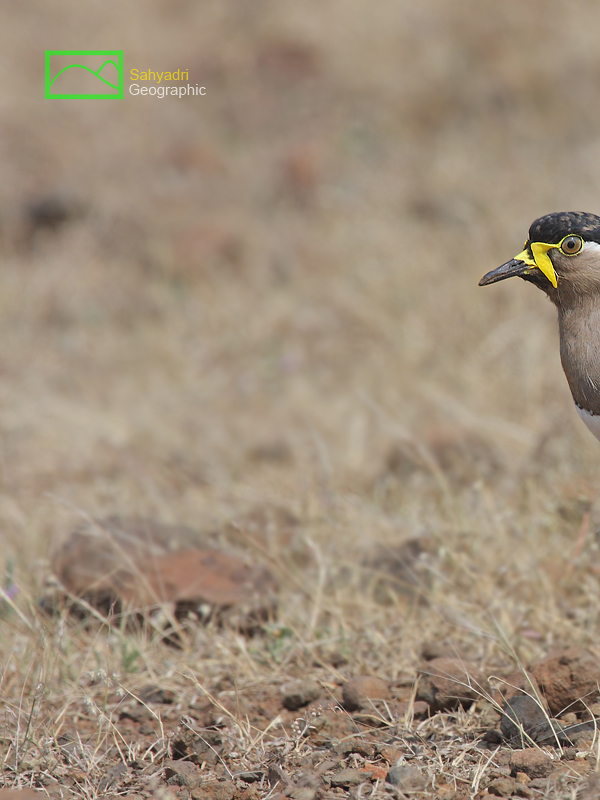
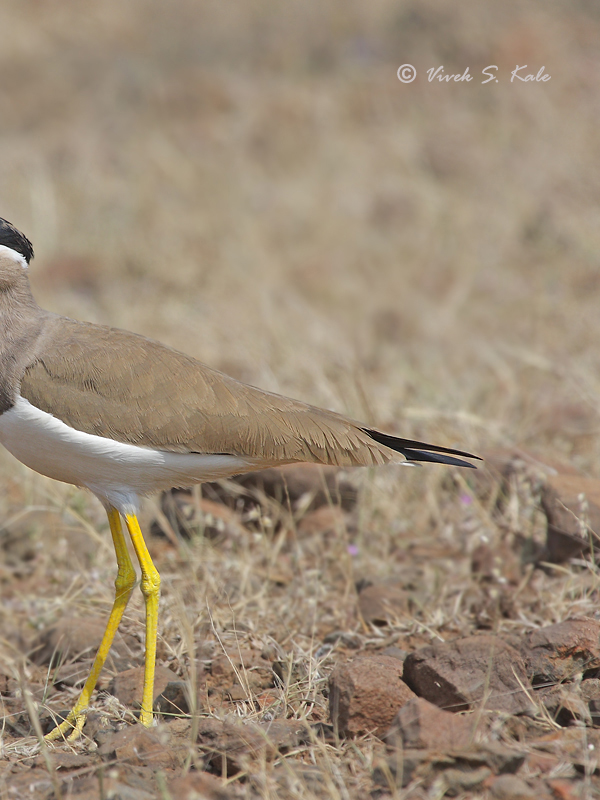
| 4. Yellow wattled lapwing , Dry grasslands, Pune district, Maharashtra, India |
| |
|
|
पिवळ्या रंगाची मांसल गाठण (वॅटल) असलेला हा पक्षी पितमुखी टिटवी असा ओळखला जातो. लालमुखी टिटवी पेक्षा आकाराने लहान असणारा हा पक्षी माळरानावर आढळतो. दोन चार च्या संख्येत आढळणाऱ्या या टिटवी, गवतावर झुकुन मान खाली करुन किडे खाताना माळरानावर दिसतात. दुपारच्या वेळेत बाभळीच्या सावलीत विसावतात. यांच्या डोळ्याच्या व चोचीच्या मध्ये पिवळी गाठण असते. त्याचा ते अलंकार म्हणुन वापर करतात. आपल्या जोडीदाराला आकर्षण म्हणुन त्याचा त्यांना वापर होत असावा. पोटाकडे सफेद असणारी टिटवी वरच्या भागात करड़्या राखाडी रंगाची असते. वरुन उडणाऱ्या शिकारी पक्ष्यांपासुन त्यामुळे त्याचे संरक्षण होते. त्याचा हा रंग आजुबाजुच्या माळरानात मिसळुन जातो. डोक्यावर काळा टोपीसमान भाग असतो. त्याचे पाय पिवळे असतात. मुळ स्वभाव लाल टिटवी सारखा असला तरी ह्याचे चित्त लाल टिटवीच्या तुलनेत शांत असते. इतर माळरानांवरच्या पक्ष्यांप्रमाणे तो त्याचे घरटे जमिनीवर करतो.
|
|
Yellow wattled Lapwing, Vanellus malabaricus is a bird seen in the arid region all across India, (25 cm). The bird is often seen in a group of 2-6 members, in dry grasslands on the ground, looking for insects. In the afternoon these birds are seen relaxing in shadows under the trees. As the name suggests, the bird has yellow wattle between its eyes and bill. The wattle is an ornamental organ. It is mainly useful as an ornament for courting mates. Larger wattle indicates good health, nutrition and ability to survive. Many other birds such as red headed vulture, red Jungle fowl, red wattled lapwings etc. also have similar organ called as wattle. Yellow wattled lapwings have sandy grey upperparts with white underbody and black crown. As compared to red wattled lapwing the yellow wattled lapwings are less noisy and smaller in size. The various colors of the iris of this bird have been recorded. The colors recorded are pale yellow, silver grey and brown. Interestingly the iris of the bird in the image here is dual, silver grey at the top and brown in the lower portion of iris. The eyes are surrounded by a thin yellow circle. The consistency of the black color on the crown is disturbed by small sandy grey patches. The white patch behind both the eyes meet at the backside. The bird is known as Pitamukhi Titvi in Marathi.
|
|
|
| |
  |
| |
| 5. Yellow wattled lapwing, Dry grasslands, Pune district, Maharashtra, India |
| |
|
|
| |
  |
| |
| 6. Yellow wattled lapwing , Dry grasslands, Pune district, Maharashtra, India |
| |
|
|
| |
  |
| |
| 7. Blackbuck , Indian antelope, Dry grasslands, Maharashtra, India |
| |
|
|
| |
  |
| |
| 8. Blackbuck , Indian antelope, Dry grasslands, Maharashtra, India |
| |
|
|
| |
  |
| |
| 9. Blackbuck , Indian antelope, Dry grasslands, Maharashtra, India |
| |
|
|
| |
  |
| |
| 10. Blackbuck, Indian antelope, Dry grasslands, Maharashtra, India |
| |
|
|
| |
  |
| |
| 11. Booted eagle, Dry grasslands, Pune district, Maharashtra, India |
| |
|
|
| |
| |
| |
| 12. Eurasian collared dove, Dry grasslands, Pune district, Maharashtra, India |
| |
|
|
कॉलरवाला पारवा रुक्ष भागात आढळणारा मध्यम आकाराचा पारवा आहे. करड़्या आकाराचा हा पारव्याला गळ्याच्या मागच्या बाजुस काळ्या रंगाची कॉलरसारखी लकेर असते. त्याचे आखुड पाय लाल रंगाचे तर चोच काळी असते, हा पक्षी स्थानिक असला तरी त्याचे क्षेत्र हळुहळु विस्तारत आहे. |
|
Veergal
Reason : Man died in the battle. Being carried to Heaven.
Location : Ratanwadi, Ahmednagar district, Maharashtra
|
|
|
| |
  |
| |
| 13. Montague’s harrier, Dry grasslands, Pune district, Maharashtra, India |
| |
|
|
| |
  |
| |
| 14. Syke’s Lark, Dry grasslands, Pune district, Maharashtra, India |
| |
|
|
सायके चंडोल हा ओसाड गवताळ भागात आढळतो. त्याला तुरा असतो. तो रंगाने थोडा लालसर असतो. त्याच्या पोटाकडे समोर उभ्या रेषा असतात. मलबार चंडोलापेक्षा तो आकाराने लहान असतो. ओसाड भागात तो किडे व गवताच्या बिया खाताना आढळतो.
|
|
Sykes's Lark (Galerida deva) is a lark which is found in dry and arid region in Central India. It has prominent crest and has Rufus color It has streaks on its breast. The bird is seen in dry region, grasslands, rocky small hills. It feeds on insects and seeds.
|
|
|
| |
  |
| |
| 15. Syke’s Lark, Dry grasslands, Pune district, Maharashtra, India |
| |
|
|
वीरगळ
वीरगळ
कारण् : लढाईत् पुरुषाला वीरमरण् प्राप्त् झाले.
पुज्य देव् : शिव् लिंग्
ठिकाण् : रतनवाडी, (अहमदनगर जिल्हा), महाराष्ट्र
|
|
Veergal
Reason : Man died in the battle.
Deity being prayed : Shiva Linga with Nandi (in top panel)
Location : Ratanwadi, Ahmednagar district, Maharashtra
|
|
|
| |
  |
| |
| 16. Rufous tailed lark, Dry grasslands, Pune district, Maharashtra, India |
| |
|
|
वीरगळ
कारण् : लढाईत् पुरुषाला वीरमरण् प्राप्त् झाले.
ठिकाण् : रतनवाडी, (अहमदनगर जिल्हा), महाराष्ट्र
|
|
Veergal
Reason : Man died in the battle.
Location : Ratanwadi, Ahmednagar district, Maharashtra
|
|
|
| |
  |
| |
| 17. Rufous tailed lark, Dry grasslands, Pune district, Maharashtra, India |
| |
|
|
| |
  |
| |
| 18. Tawny Pipit, Dry grasslands, Pune district, Maharashtra, India |
| |
|
|
| |
  |
| |
| 19. Steppe eagle, Dry grasslands, Pune district, Maharashtra, India |
| |
|
|
स्टेपी इगल (गरुड) हा एक शिकारी पक्षी आहे. हा पक्षी स्थलांतर करुन हिवाळ्यात भारतात येतो. गवताळ माळरान हा या पक्ष्याचा अधिवास आहे. त्याच्या सारख्याच दिसणारा टौनी इगल ह अजुन एक गरुड आहे. डोळ्याखालच्या गेप (तोंडाचा भाग) च्या लांबी वरुन या दोन पक्ष्यांना ओळखता येते. पंख उघडल्यावर या गरुडाची रुंदी १-१.२ मीटर एवढी असते. उन्हाळयात हे पक्षी मध्य आशिया, युरोप मध्ये स्थलांतर करतात. हिवाळयात काही पक्षी भारतात तर काही अफ्रिकेत जातात. |
|
The steppe eagle is a bird of prey. It belongs to the family Accipitridae. Steppe eagle is similar to the Tawny eagle The gape of the steppe eagle is an easy way to distinguish it from the tawny eagle. The gape extends beyond the centre of the eye as against the tawny. These birds are migratory. Steppe eagle winters in India and Africa and summers in Central Asia and Europe. These birds are seen in grassland.
|
|
|
| |
  |
| |
| 20. Steppe eagle, Dry grasslands, Pune district, Maharashtra, India |
| |
|
|
| |
  |
| |
| 21. Green bee eater, Dry grasslands, Pune district, Maharashtra, India |
| |
|
|
| |
  |
| |
| 22. Green bee eater, Dry grasslands, Pune district, Maharashtra, India |
| |
|
|
| |
  |
| |
| 23. Southern grey shrike, Dry grasslands, Pune district, Maharashtra, India |
| |
|
|
करडा खाटीक हा गावाबाहेर एखाद्या बाभळीवर बसलेला हमखास दिसतो. तो त्याची तीक्ष्ण नजर आजुबाजुस काही भक्ष्य शोधण्यासाठी वापरतो. लहान किडे, भुंगे, उंदिर, सरडे व वेळप्रसंगी लहान पक्षी हे त्याचे खाद्य होय. बाभळीच्या काट्यांचा वापर करत तो भक्ष्याची चिरफाड करतो. म्हणुनच त्याला खाटिक असे म्हणतात. |
|
The southern grey shrike is also known as rufous backed shrike. It is grey white. it has a black mask over its eye from beak to ear coverts. Its front body is white. It uses acasia thorns to struck the kills. Then it tears the kill using its bill holding the kill on the thorns. It uses this method as it can not use its feet to hold the kill, like raptors do.
|
|
|
| |
  |
| |
| 24. Southern grey shrike, Dry grasslands, Pune district, Maharashtra, India |
| |
|
|
| |
  |
| |
| 25. Southern grey shrike, Dry grasslands, Pune district, Maharashtra, India |
| |
|
|
| |
|